
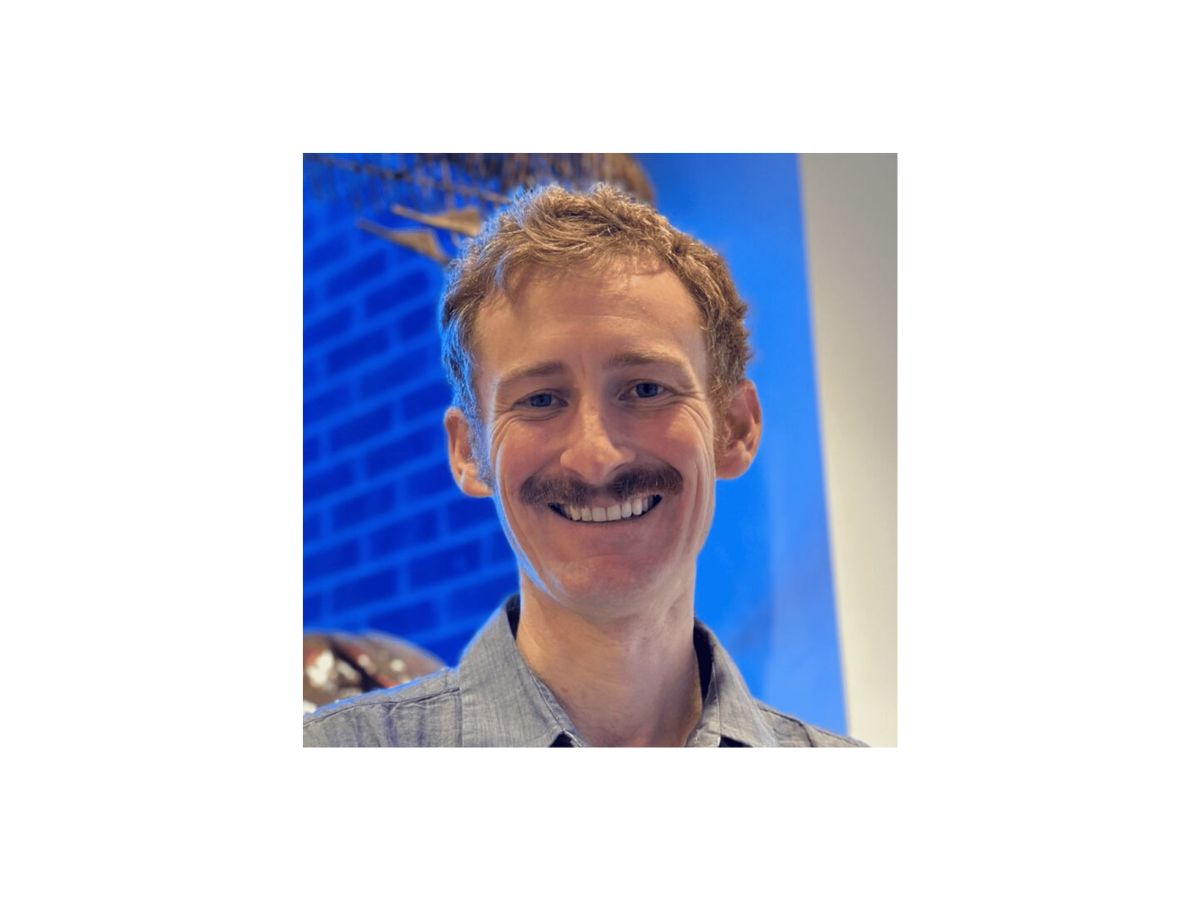
“There is a wealth of knowledge and insight given our understanding of processes that occurred throughout Earth’s history, and I think we [geologists] can help find solutions to many of the issues that affect both humans and the natural environment both today and, in the future,” said Teddy Them.
Them, a Shippensburg University alumnus and associate professor of geology and environmental geosciences at the College of Charleston in South Carolina, is currently in the United Kingdom as a Fulbright US Scholar, conducting environmental research at Durham University. His work at Durham focuses on identifying and mapping nitrogen and mercury pollution along England’s Cleveland Coast and the Charleston, SC coastal area, with efforts to positively impact public policy and environmental protections within the two regions.
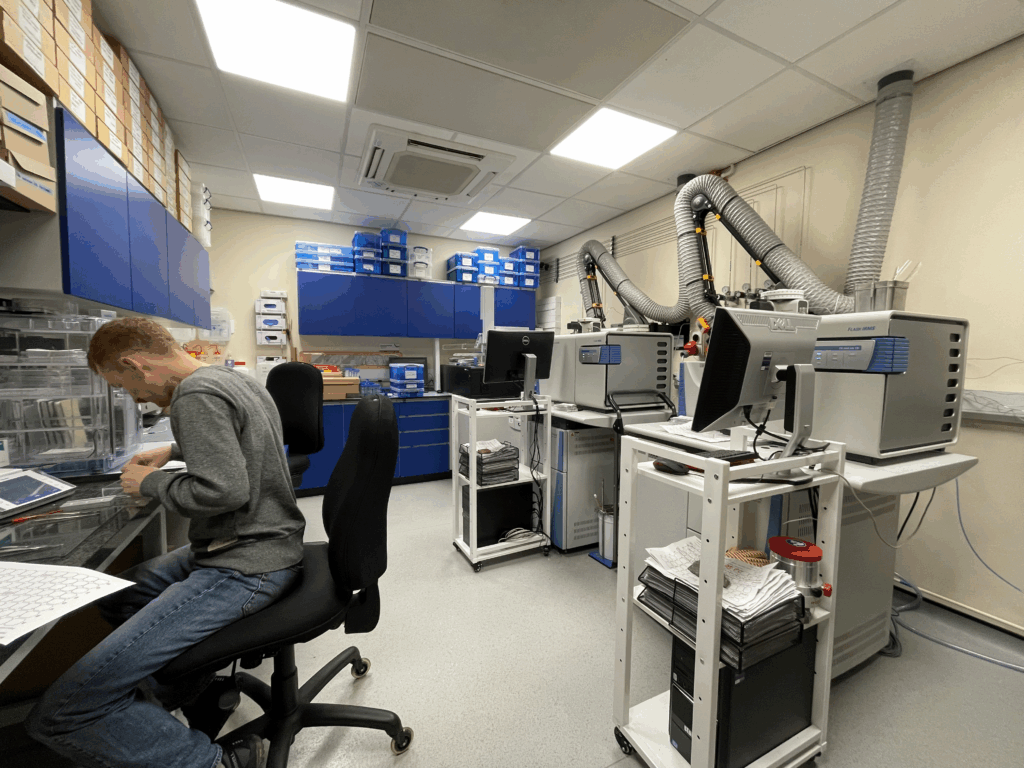
Them is collaborating with his close friend and colleague, professor Darren Gröcke, and a larger team of scientists, humanitarians, public officials and stakeholders throughout the Northeast region of England, with the shared goal of protecting the coastal ecosystems.
“Although this research project has many facets, I will attempt to determine the geographic extent and sources of pollution and contamination along the Cleveland Coast and Charleston, SC,” Them said. “This will be accomplished through a forensic geological approach by using the isotopic composition of different elements on the periodic table, such as nitrogen and mercury.”
Them stated that isotopic variation in nitrogen can indicate whether pollution comes from agricultural runoff, industrial waste or sewage. “Different isotope compositions of nitrogen, which organisms such as plants and algae use to photosynthesize, can help determine the sources of nitrogen in the environment, which includes sewage,” he explained. “The goal is to then communicate the findings to the public and hope that meaningful action may be taken legislatively to make the environment cleaner.”
The US Fulbright Scholar Award is globally recognized as a competitive and prestigious honor, awarded to top researchers across the country. The Fulbright program has been a notable component of US foreign policy since the aftermath of World War 2, leading to important educational and cultural exchanges between different countries across the world. Them’s selection as a Fulbright Scholar is the result of dedication and also timing. “I have known about the Fulbright program for a while, but the timing was never right for me personally to apply,” he said.
In 2023, Them was encouraged by colleagues in the UK and Europe. He then submitted his application that September, the same month he applied for tenure. After writing a rigorous application and interview process, Them was notified of his selection in March 2024. The Fulbright award coincided with his sabbatical leave from the College of Charleston.
Now living in Durham with his wife, Marisa and their three-year-old son, Them is immersing himself in his research and the experience of living abroad, with plans to travel throughout the UK and Europe. Them is also a longtime Liverpool FC fan and was able to attend a Premier League match at the legendary Anfield stadium.

Professionally, he plans to integrate this research into his work back in South Carolina, including student projects on issues such as mercury and nitrogen contamination. He views his new research focus abroad as a “stepping stone into determining the natural versus anthropogenic signal for select pollutants.” He has spent the majority of his career focused on ancient environmental change by studying the geologic record, so this opportunity allows him to work on a project that has more immediate relevance to everyday life.
Them also acknowledge that some challenges may lie ahead. “There is a distinct possibility that we can link these polluted areas to specific point sources,” he said. “An important question would relate to whom or what industry is responsible, and therefore who may have to foot the bill if these locations need to be cleaned up.”
For other researchers or students considering the Fulbright Award, Them advises that they take the time to prepare and be patient. “Go for it – after you have prepared yourself academically as well as culturally,” he said. “You will only increase your success rate … if you can show those who are reviewing applications that you have put a lot of work into yourself and your studies.”
He credits his success to years of dedication and mentorship. “I have spent the last two decades working hard and surrounding myself with good people who have supported me,” he said, noting that advice from fellow Fulbright Scholars was imperative during his application process.
Them is making the most of his time in the UK, working to conduct research that advances environmental science, leads to future collaborations and inspires change within public policy. “Now, more than ever, we should be vigilant in ensuring that our stringent federal, state and local environmental protection regulations remain intact, as the negative impacts will certainly outweigh any short-term gains sought out by the relaxation or removal of these policies.” Them also suggests that as a refresher, we should all read Rachel Carson’s book, Silent Spring, as an example of what the dismantling of environmental regulations may yield.
