

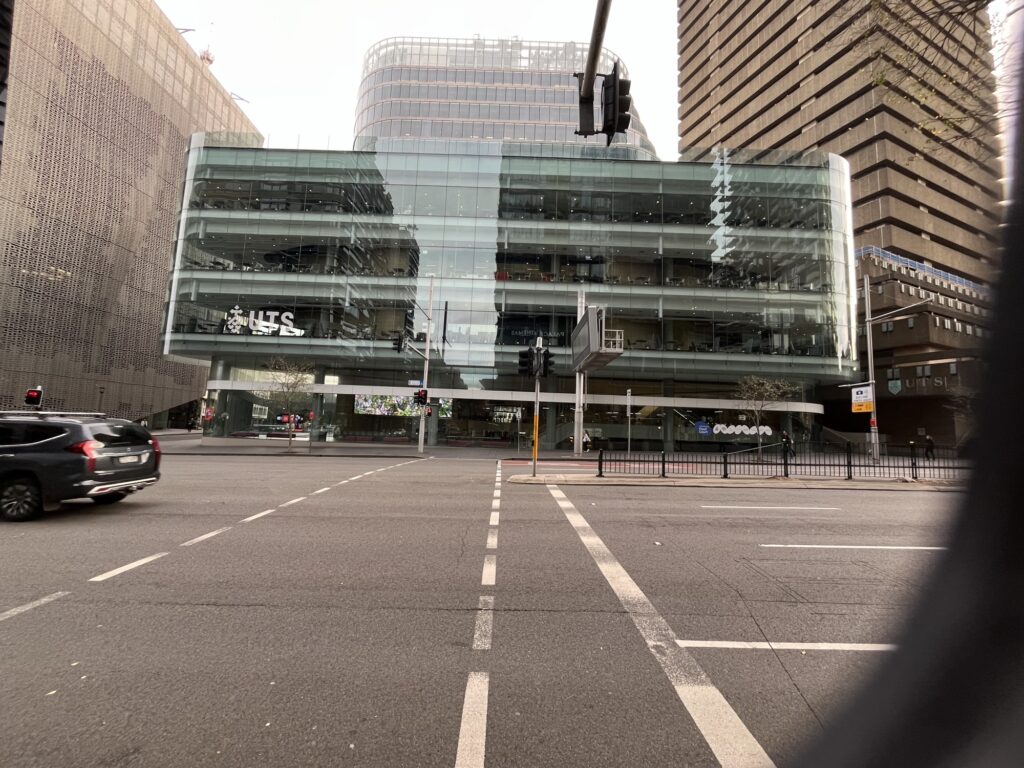
Over the summer, Dr. Allison Carey, professor of sociology in the Department of Political Science & Social Inquiry, presented at a conference at the University of Technology Sydney (UTS) in Australia. Carey’s presentation, “Allies and Obstacles: Parent Activism and Institutional Harm,” explored key themes and raised important questions. Following the presentation, she provided further insight.

Carey emphasized that parent activism has played an important role in improving education, expanding community inclusion and closing large institutions. However, she noted that while parents and family members strive to secure the best care for their children and loved ones, they may either knowingly or unknowingly support harmful practices of care, unnecessarily segregated services, and/or unethical medical treatments.
She said the issue cannot be reduced to blaming parents and guardians. Families often face limited and difficult choices when trying to secure housing, education and care for their disabled relatives.
“My point isn’t at all to blame parents. It’s really to talk about the quandary and the dilemma that parents find themselves in,” Carey explained.
When families must choose between an unsafe or highly restrictive service and no service at all, they may advocate for preserving the only option available.
Large institutions such as Pennhurst, a former Pennsylvania facility for people with intellectual and developmental disabilities, represent the most extreme form of institutionalization. Carey explained how Pennhurst enforced abusive practices such as medical experimentation, compulsory sterilization and isolation of residents, all of which led to rapid decline of patients and high death rates. Although many large institutions have closed, she said some smaller group homes, nursing homes, and other congregate settings, still participate in aspects of ‘institutional philosophy.’
A group home may be smaller, cleaner and safer than a large institution, but residents may still have little control over their daily lives. Decisions about when they eat, shower, are allowed to leave and socialize are often structured around the needs of the system, and not the individual. Carey said that even ordinary activities, such as meeting a friend at a coffee shop, can become difficult when residents must follow institutional schedules or receive permission.
Carey advocated for expanding home-s and community-based services, which would allow people with disabilities and older adults to receive individualized support in their homes and communities. Such programs can give people greater control over their living arrangements, staffing and daily routines. She also stressed the importance of adequately funding services.
“Needing support does not need to lessen your sense of human dignity,” Carey said. “What lessens your sense of human dignity is becoming one of a herd where you don’t get heard. Your life basically gets structured for you, which can lead to isolation.”
Carey also explained that the availability and quality of care can also be shaped by class, race, sexuality and other forms of marginalization. Families with greater access to resources and financial support are often able to hire lawyers, seek private services, and have more options when selecting their provider(s). Lower-income families usually have limited options beyond accepting the first available placement.
Carey argued that addressing institutional harm requires more than replacing large facilities with community services. It also requires accountability for past harm, such as ensuring the historical preservation and documentation of past abuse, as well as providing opportunities for survivors to share their stories so that meaningful change can occur. She highlighted projects that help former institutional residents and their families access their records, such as cemetery reclamation projects, which identify people buried in unmarked institutional graves and can help restore names and a sense of dignity to those who have been forgotten.
Her experience in Australia reinforced the importance of advocating for disability communities. Carey said that overall, the country was willing to consider official apologies, financial reparation and truth-telling processes related to past abuses of marginalized communities, including people with disabilities. She’s now working with Linda Steele on an international project examining systems of care, abuse and redress across different countries. Steele, Professor of Law at UTS, previously gave a talk at Ship in the Fall 2024, “Truth-telling, reparations and disability institutions.”
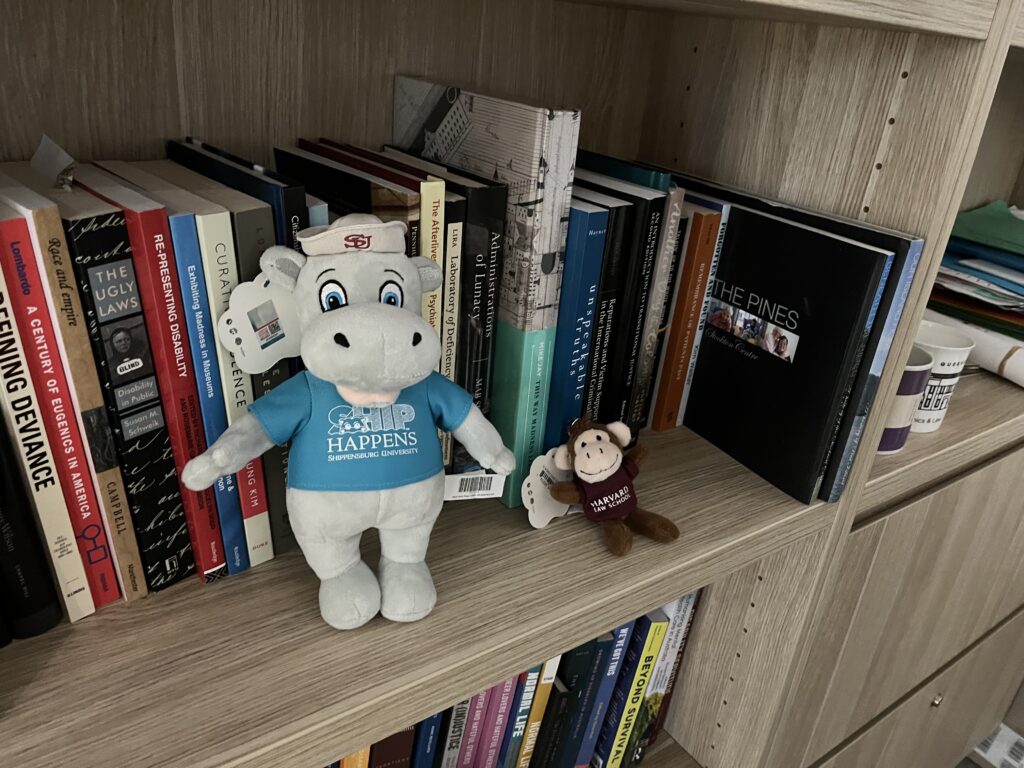
Ultimately, Carey argued that families and disability activists can work together by supporting organizations led by disabled activists, defending the Americans with Disabilities Act and other rights legislation, and protecting the principle that all people have the right to live in their communities. Meaningful progress requires listening to people with disabilities and building systems that provide support without comprising autonomy, dignity and the ability to choose. It also requires a broader understanding of disabilities and recognizing that accessibility and support are needs that aren’t limited to just one single community, as anyone can experience a disability at some point within their lifetime; those who are elderly, pregnant, or facing challenges that may require minimal support, all require accessible and equitable care. Through recognizing our shared experience, we can create more inclusive systems that uphold the rights and choices for individuals.
Campus community members seeking accessibility resources can visit the Office of Accessibility Resources. Those interested in learning more about how disability inclusion shapes our world are encouraged to explore the Disability Studies Minor, which is open to students across all majors.
