
“I really like bridging the gap between the community and the college,” he said. “There’s often this divide between townspeople and students and I think projects like this help bring them together.”
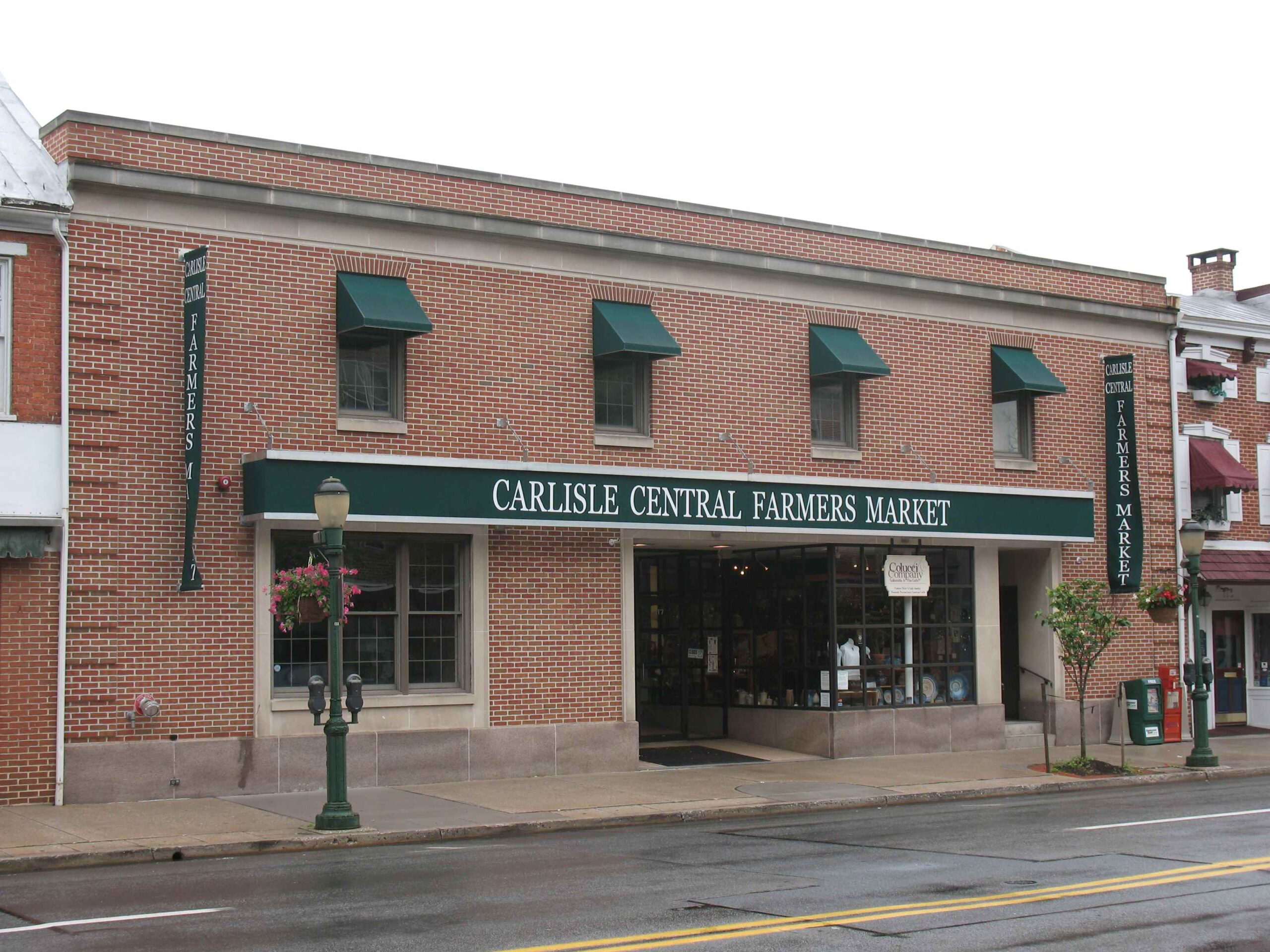
William Flannery, a graduate student in the sociology department, partnered with associate professor Chad Kimmel to analyze the failure of the former Carlisle Central Farmers Market. This research was originally established alongside retired professor of business at Dickinson College, Dr. David Sarcone. Kimmel and Sarcone conducted research and drafted the original version of the study, that Flannery and Kimmel are now editing and submitting for publication.
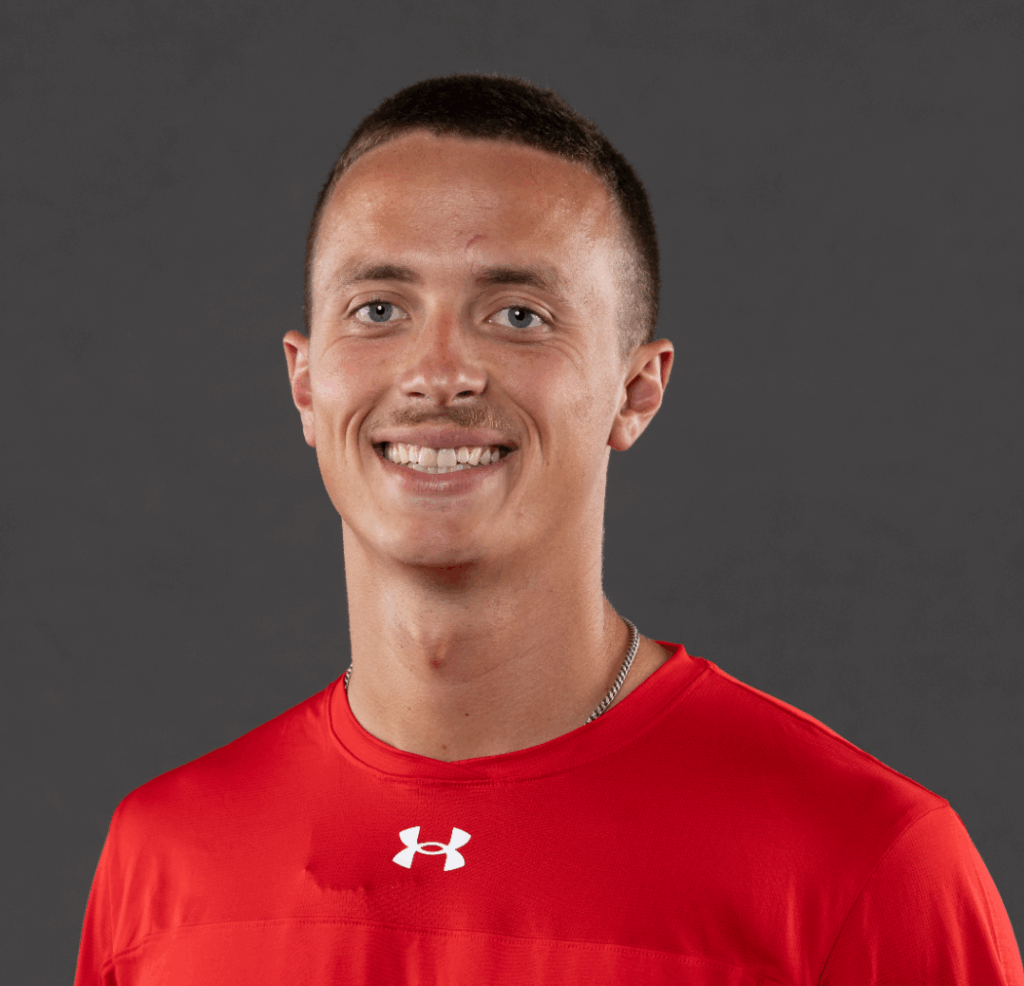
Through Flannery’s research, he has gained a new perspective on community partnerships, social entrepreneurship and the importance of trust across different industries. Now, as Flannery nears graduation from Ship’s Organizational Development and Leadership (ODL) program, he says the project provided him with a strong perspective on what it takes to manage interests within the public and private sectors and within the community.
The research involves interviews gathered by Kimmel and analyses conducted by Flannery centering on why the farmers market ultimately failed, despite having a strong backing from investors and the community.
“I supported Dr. Kimmel’s finding with what I could find in terms of other external resources,” Flannery explained. “Most of the boots-on-the-ground stuff was him, and I helped supplement that with scholarly research and context.”
While the main purpose of the project focused on the economic failure of the market, Flannery and Kimmel also found that the market was not a success because of the opposite goals among its stakeholders (farmers, vendors, investors and municipal partners).
“Keeping stakeholders and shareholders happy and trying to manage interpersonal conflicts is difficult no matter what sector you’re in,” Flannery said. “One of the biggest pitfalls we saw was trying to keep everyone happy, which ended up making no one happy.”
One example includes the tension that existed between growers and third-party sellers who resold goods at lower prices. “If you want to keep growers happy, you need to have strict guidelines on what type of vendors can sell, Flannery noted. “That would make it a more equitable and less competitive environment.”
Flannery also pointed out that the market was not in an ideal location. While the facility was open year-round, it was far removed from Carlisle’s downtown scene.
“The location was not in a visible or accessible location, he said. “The current market that’s thriving now is right at the intersection of High and Hanover Streets. It’s the heart of town. The old location just didn’t attract foot traffic.”
Maintaining trust between all sectors was a critical lacking factor. Flannery stated that there were “unclear guidelines” from the start and the shifting policies caused customers to lose faith in the market.
“When things went sideways, the organizers started to deviate from what they had promised,” he said. “That broke trust. You need a mission-centered operational structure to keep everyone aligned.”
Despite the many challenges, Flannery enjoyed learning from Kimmel, who was a socioeconomic consultant for the market.
“Dr. Kimmel is very open about calling it a failure,” Flannery said. “His ability to step back and analyze things, even something he was personally involved in, was admirable. A lot of people wouldn’t want to revisit something like this, but he made it a really enriching experience.”
Flannery’s academic experience at Ship helped aid his research. “I’ve taken a lot of classes on nonprofit management, organizational behavior and research,” he said. “I’m also the graduate assistant of the ODL program, which connected me with Dr. Kimmel in the first place.”
When Flannery isn’t focusing on his studies, he serves his time as an assistant soccer coach at Dickinson College. Upon graduating Flannery says he plans to stay in his hometown of Carlisle and continue coaching, all while applying his education th future community-based projects.
“I’ve learned so much about social entrepreneurship – not just through farmers, markets, but through the broader idea of navigating public and private partnerships,” he said. “It’s about being a liaison – this project really opened my eyes to how complicated yet rewarding that role can be.”
